A Summer of Conferences 2026
BSN Early Career Meeting and Celebratory Dinner
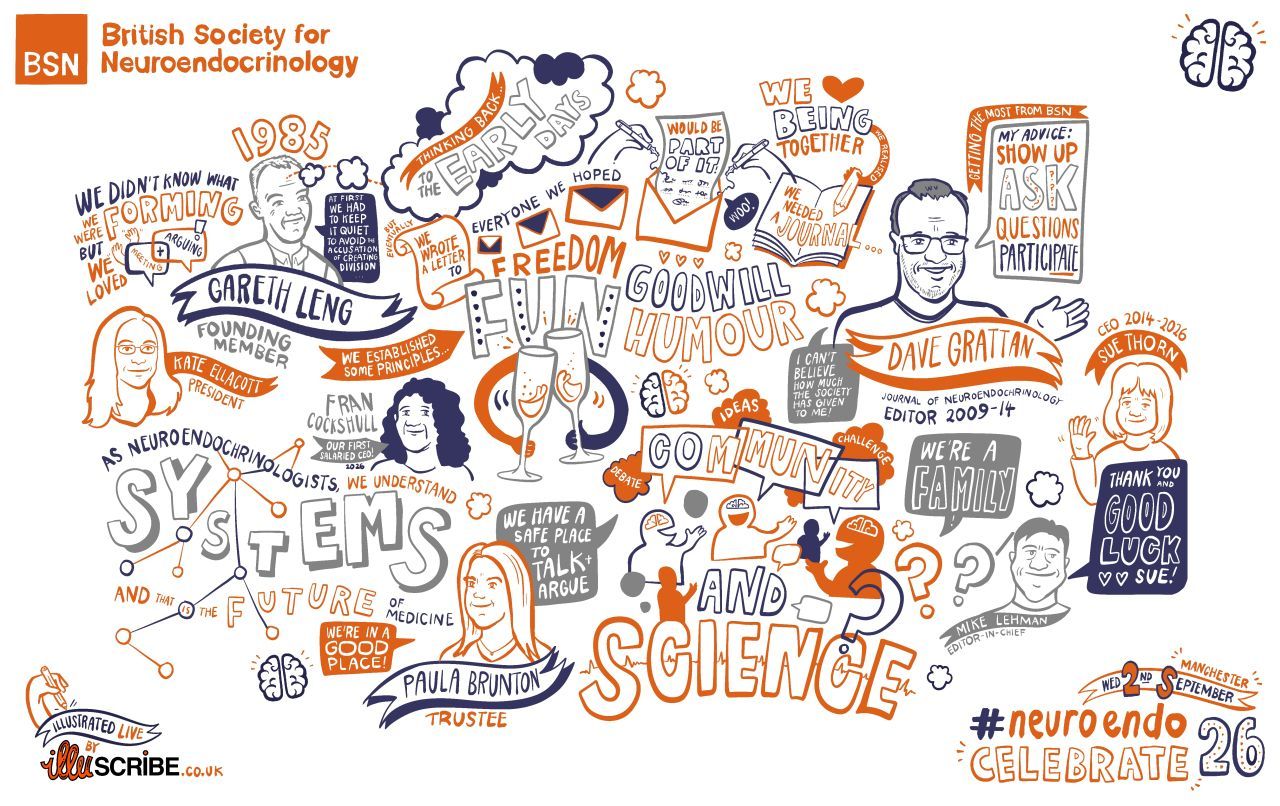
A highly productive meeting took place in September at the Pendulum Hotel in Manchester, bringing together a strong cross-section of the neuroendocrinology community for an engaging day of discussion and networking. The event was organised by the BSN Early Career Researcher (ECR) representatives and was designed to spotlight the breadth and quality of early career research, featuring a varied programme that included oral presentations, poster sessions, and opportunities for informal conversation between trainees and more established investigators. The schedule included plenary talks delivered by prize winners and senior members of the society, providing both scientific depth and career perspective, and helping to place emerging work in the context of wider developments in the field.
One of the standout sessions was a workshop on scientific publishing led by current and former Editors-in-Chief of the Journal of Neuroendocrinology, which offered practical guidance on topics such as structuring a manuscript, responding effectively to peer review, navigating common reasons for rejection, and understanding what editors and reviewers look for in a compelling submission.
From our group, Alex Wilson-Slomkowski delivered an excellent overview of his PhD work, (co-supervised by Rebecca Dumbell, led by Nik Morton), on his combined transcriptomic approach to understanding hypothalamic regulation of metabolism in an outbred rodent model.
UK Clock Club - John Innes Centre, UK
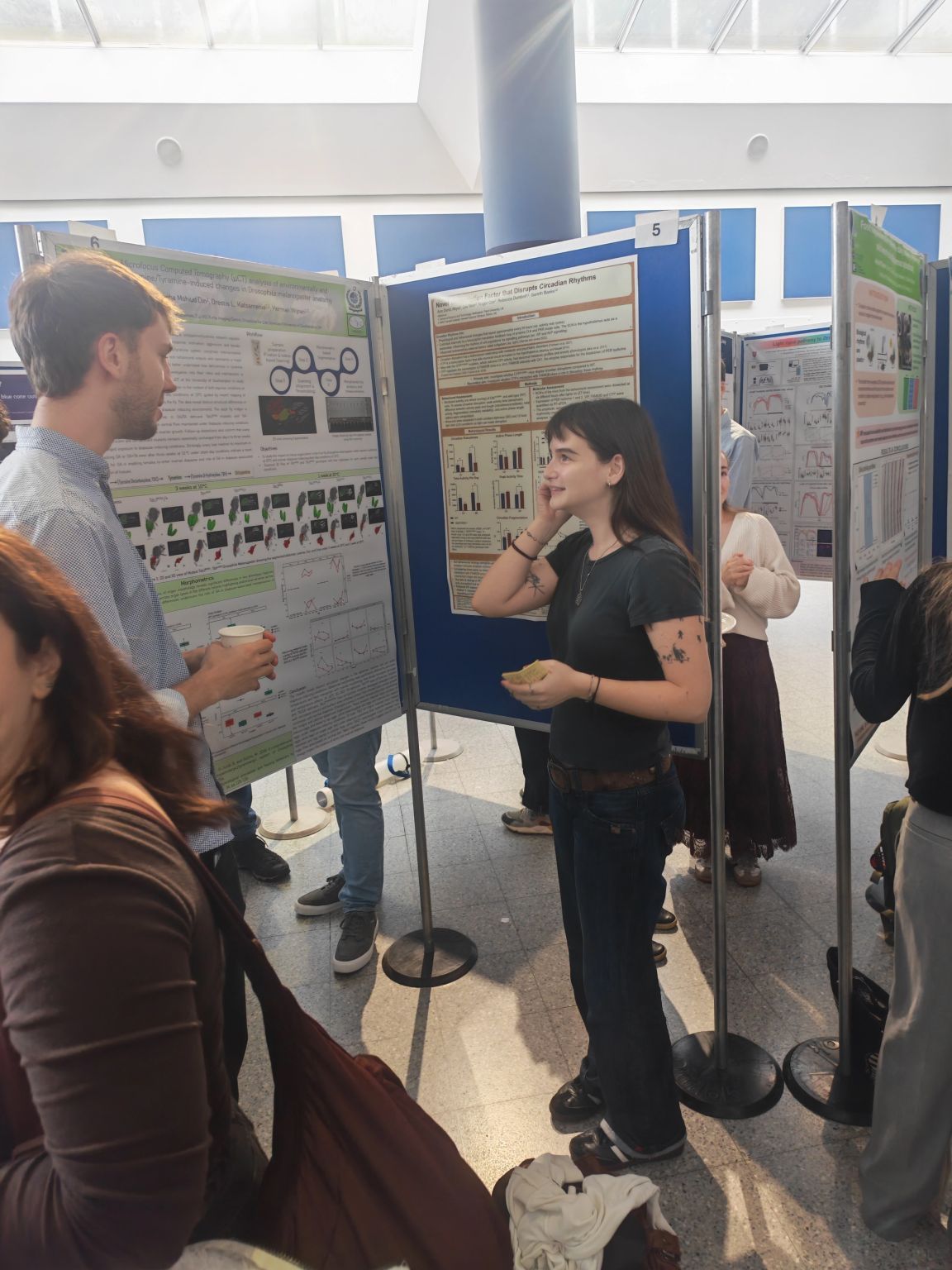
I had an excellent experience at the Clock Club held at the John Innes Centre, where I joined Gareth Banks and Deniz Akyel for an engaging session focused on circadian biology. Deniz presented her master’s research on the role of OTP in circadian regulation within the suprachiasmatic nucleus (SCN), outlining the scientific context, key findings, and the broader implications for understanding how central circadian timing is controlled. The discussion provided valuable insights and sparked thoughtful questions around experimental approaches, interpretation of results, and potential next steps for the work.
International Congress of Neuroendocrinology - Nagoya, Japan
Rebecca had the opportunity to present our laboratory’s work on an international stage, engage with a global community of peers, and contribute to high-level discussions on emerging research directions. In addition to sharing our latest findings and methodology, attended many fascinating and highly impactful presentations spanning both foundational science and real-world applications, including cutting-edge experimental approaches, advances in analytical tools, and new perspectives on long-standing challenges in the field.
The ICN takes place every four years and serves as one of the most important convenings for researchers, clinicians, industry partners, and other stakeholders across the discipline. Because it brings together leading experts and diverse viewpoints from around the world, it is widely regarded as the best way to gain a comprehensive, up-to-date view of the field’s progress-ranging from major breakthroughs and consensus shifts to developing best practices and collaborative opportunities. The meeting also provides valuable context for where the field is heading, helps benchmark our work against international efforts, and offers an efficient way to reconnect with colleagues and establish new partnerships.
Finally, since it was such a long way to go, it was fantastic to be able to experience some of the culture, food and beauty of Japan following the meeting.